Introduction
Senior dogs often struggle with stairs, jumping, and climbing into vehicles. Their joints may become less flexible with age. Even familiar movements can become uncomfortable or risky.
The Best Orthopedic Dog Ramps for Beds and SUVs: Preventing Joint Strain in Senior Dogs can make everyday movement much easier. A suitable ramp reduces the need for jumping. It also provides a gradual path between different heights.
For older dogs, this matters because repeated jumping can place stress on sensitive joints. A ramp can support mobility while helping your dog remain involved in daily family activities.
However, not every dog ramp provides the same level of support. Ramp length, surface traction, weight capacity, stability, and portability all matter. The right choice should match your dog’s size, mobility, and usual environment.
Why Senior Dogs May Need an Orthopedic Dog Ramp
Age can change how dogs move. Senior dogs may develop stiffness after resting or show reluctance around stairs. They may also have difficulty jumping onto furniture or entering an SUV.
An orthopedic dog ramp creates a gradual incline. This can reduce the sharp impact associated with jumping. It also allows dogs to control their movement more naturally.

For dogs with reduced mobility, a ramp can be especially useful around the home. A dog that previously jumped onto the bed may eventually need assistance. Instead of lifting the dog repeatedly, owners can provide a safer route.
The Best Orthopedic Dog Ramps for Beds and SUVs: Preventing Joint Strain in Senior Dogs should therefore focus on comfort and stability. Convenience is important, but safety should come first.
How Dog Ramps Help Reduce Joint Strain
Jumping creates a sudden landing force. Older joints may not tolerate repeated impacts as comfortably as younger joints.
A ramp changes this movement into a controlled climb. The dog’s weight is distributed throughout the movement rather than concentrated during a jump.
This does not mean a ramp eliminates every mobility problem. Instead, it can reduce unnecessary physical demands during common activities.
A properly positioned ramp can also help dogs maintain confidence. Dogs that become nervous around high surfaces may feel more secure using a gradual incline.
Choosing the Best Orthopedic Dog Ramp for Beds
A bed ramp needs different features from a vehicle ramp. The height is usually lower, but indoor stability remains essential.
Consider the Ramp Length
A longer ramp generally creates a gentler incline. This can be helpful for dogs with stiff joints or limited strength.
Short ramps can work for lower beds. However, they may create a steeper angle. Senior dogs may find steep ramps difficult to climb.
Measure the bed height before purchasing. Then consider the available floor space. The ramp should fit comfortably without blocking normal movement around the room.
Look for a Non-Slip Surface
Traction is one of the most important ramp features. Senior dogs may have weaker footing than they once did.
A textured or carpeted surface can provide better grip. Avoid surfaces that become slippery when paws are slightly damp.
The dog’s nails and paw pads also affect traction. Observe how your dog walks on different household surfaces before selecting a ramp.
Check Stability and Weight Capacity
A ramp should remain steady while your dog uses it. Movement can make an older dog hesitant or cause an accident.
Choose a ramp with a suitable weight rating. The rating should comfortably exceed your dog’s current weight.
A wide walking surface can also improve confidence. This is particularly useful for large breeds or dogs with poor balance.
Choosing the Best Orthopedic Dog Ramp for SUVs
SUVs create a greater height difference than most beds. Therefore, vehicle ramps require careful consideration.
A ramp should provide enough length to create a manageable incline. It should also remain stable when placed against the vehicle.
Measure Your SUV Before Buying
Start by measuring the distance from the ground to the vehicle’s entry point. Then check the ramp manufacturer’s recommended height range.
Do not assume that one vehicle ramp will work equally well with every SUV. Different vehicles have different cargo heights and entry angles.
Also consider where the ramp will rest against the vehicle. The contact point should be secure and appropriately designed for vehicle use.
Consider Portability
SUV ramps are often stored in garages or transported during trips. A heavy, awkward ramp may become difficult to use regularly.
Folding or telescoping designs can make transportation easier. However, portability should not come at the expense of stability.
Look for a design that can be opened and secured without complicated steps. You should be able to set it up consistently before every trip.
Check the Walking Width
A narrow ramp can make some senior dogs uncomfortable. This is especially true when they already have balance issues.
A wider ramp gives dogs more room to adjust their footing. It can also make cautious dogs more willing to use the ramp.
Best Ramp Features for Senior Dogs
The Best Orthopedic Dog Ramps for Beds and SUVs: Preventing Joint Strain in Senior Dogs should combine several practical features.
A gentle incline is particularly valuable. It reduces the effort required during climbing and descending.
A strong, stable frame is equally important. The ramp should support the dog’s weight without excessive bending or movement.
A reliable traction surface helps prevent slipping. This becomes increasingly important when dogs have weaker legs.
Side rails can provide additional visual and physical guidance. They may help dogs feel more secure while climbing.
A lightweight design is useful for owners who frequently move the ramp. However, extremely lightweight construction should still provide adequate stability.
Ramp vs. Dog Stairs for Senior Dogs
Dog stairs and ramps can both help dogs reach elevated surfaces. However, they work differently.
Stairs require repeated stepping and lifting of the legs. Some senior dogs manage them well, while others find individual steps difficult.
Ramps provide one continuous surface. This can be easier for dogs with stiffness or limited range of motion.
The choice depends on your dog’s mobility and confidence. A dog comfortable with stairs may not need a ramp indoors.
However, dogs that hesitate before jumping or climbing may benefit from a gradual ramp. Your veterinarian can also provide guidance when mobility problems are involved.
How to Train a Senior Dog to Use a Ramp
Even the best ramp will not help if your dog refuses to use it. Fortunately, most dogs can learn gradually.
Begin by placing the ramp on a flat surface. Let your dog investigate it without pressure.
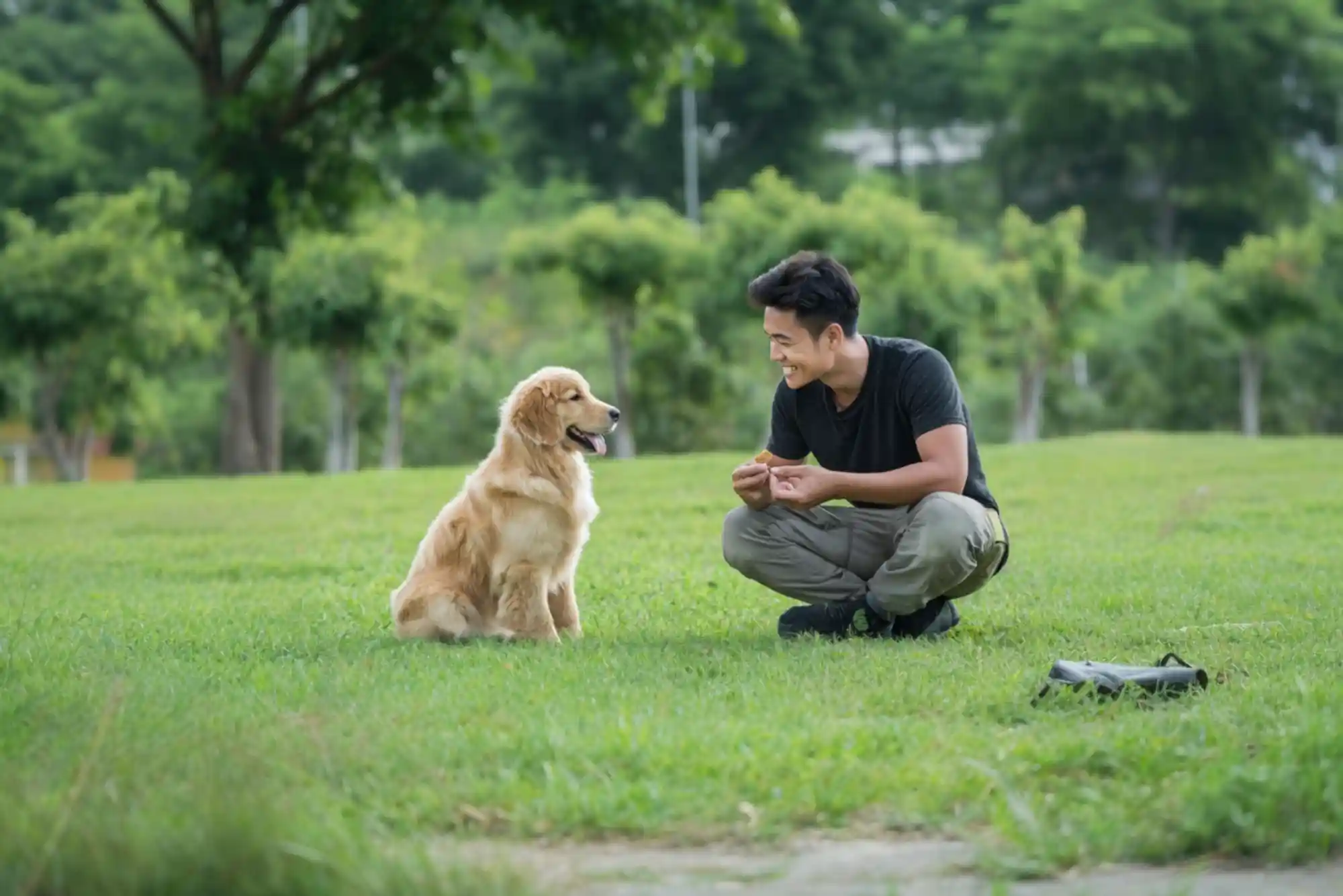
Use praise and small rewards to create positive associations. Keep the first sessions short and relaxed.
Once your dog walks comfortably across the flat ramp, introduce a small incline. Increase the height gradually as confidence improves.
Never drag or force your dog across the ramp. Fear can make future training more difficult.
Practice in a quiet environment before using the ramp around an SUV. Vehicle surroundings can include distractions that make training harder.
Common Mistakes When Buying a Dog Ramp
One common mistake is choosing a ramp based only on price. A cheaper model may lack stability or adequate traction.
Another mistake is selecting a ramp that is too short. A steep incline can make climbing uncomfortable for an older dog.
Owners sometimes overlook width as well. A narrow surface may cause unnecessary anxiety.
Ignoring the dog’s weight is another concern. Always check the manufacturer’s weight recommendations.
Finally, avoid assuming that every senior dog needs the same ramp. Breed, body size, mobility, confidence, and environment all influence the appropriate choice.
How to Make a Dog Ramp Safer
Position the ramp on a stable surface before allowing your dog to use it. Check that the vehicle or furniture connection is secure.
Inspect the walking surface regularly. Worn traction material can become less effective over time.
Keep the ramp clean and dry. Dirt, moisture, and loose debris can affect paw grip.
Watch your dog during the first several uses. Look for hesitation, slipping, excessive fatigue, or difficulty controlling movement.
If your dog suddenly struggles with a ramp they previously used easily, pay attention. A change in mobility can warrant professional veterinary advice.
When Should a Senior Dog Use a Ramp?
A ramp can be useful whenever jumping becomes difficult or uncomfortable. This includes getting onto beds, couches, and vehicle cargo areas.
It may also help dogs that hesitate before jumping. Repeated hesitation can indicate that an activity has become physically challenging.
However, a ramp is not a substitute for veterinary assessment. Sudden mobility changes can have different causes.
A veterinarian can assess your dog’s joints, muscles, gait, and overall mobility. They can also suggest appropriate exercise and weight-management strategies.
Frequently Asked Questions
Are ramps good for older dogs?
Yes, ramps can provide a lower-impact alternative to jumping. They are particularly useful for senior dogs experiencing stiffness or reduced mobility.
The ramp should have adequate traction and stability. Its incline should also be manageable for the individual dog.
Is a ramp or stairs better for an older dog?
There is no single answer for every senior dog. Ramps provide a gradual walking surface, while stairs require repeated stepping.
Dogs with limited mobility may find a gradual ramp easier. Dogs with good leg strength may comfortably use stairs.
Consider your dog’s movement, confidence, size, and physical limitations when choosing between them.
What angle should a dog ramp be?
The appropriate angle depends on the dog’s size and mobility and the ramp’s intended use. A longer ramp generally creates a gentler incline.
For senior dogs, avoiding unnecessarily steep inclines is usually helpful. Always follow the manufacturer’s recommended setup instructions.
How do I get my old dog to use a ramp?
Introduce the ramp gradually and reward calm exploration. Start with the ramp flat before adding an incline.
Allow your dog to move at their own pace. Avoid forcing them onto the ramp.
Short, positive training sessions can help build confidence.
Are dog ramps worth it for SUVs?
For many senior dogs, an SUV ramp can make vehicle entry easier. It reduces the need to jump from the ground into the vehicle.
The ramp must be long enough for a manageable incline. It should also provide reliable traction and remain secure during use.
Can a dog ramp help with arthritis?
A ramp may reduce jumping and impact during everyday movement. This can make certain activities easier for dogs with joint discomfort.
However, ramps do not treat arthritis itself. Dogs showing signs of joint pain should receive appropriate veterinary care.
Final Thoughts
The Best Orthopedic Dog Ramps for Beds and SUVs: Preventing Joint Strain in Senior Dogs should make movement safer, smoother, and more comfortable.
Look beyond appearance and price when choosing a ramp. Focus on incline, traction, width, stability, weight capacity, and portability.