Introduction
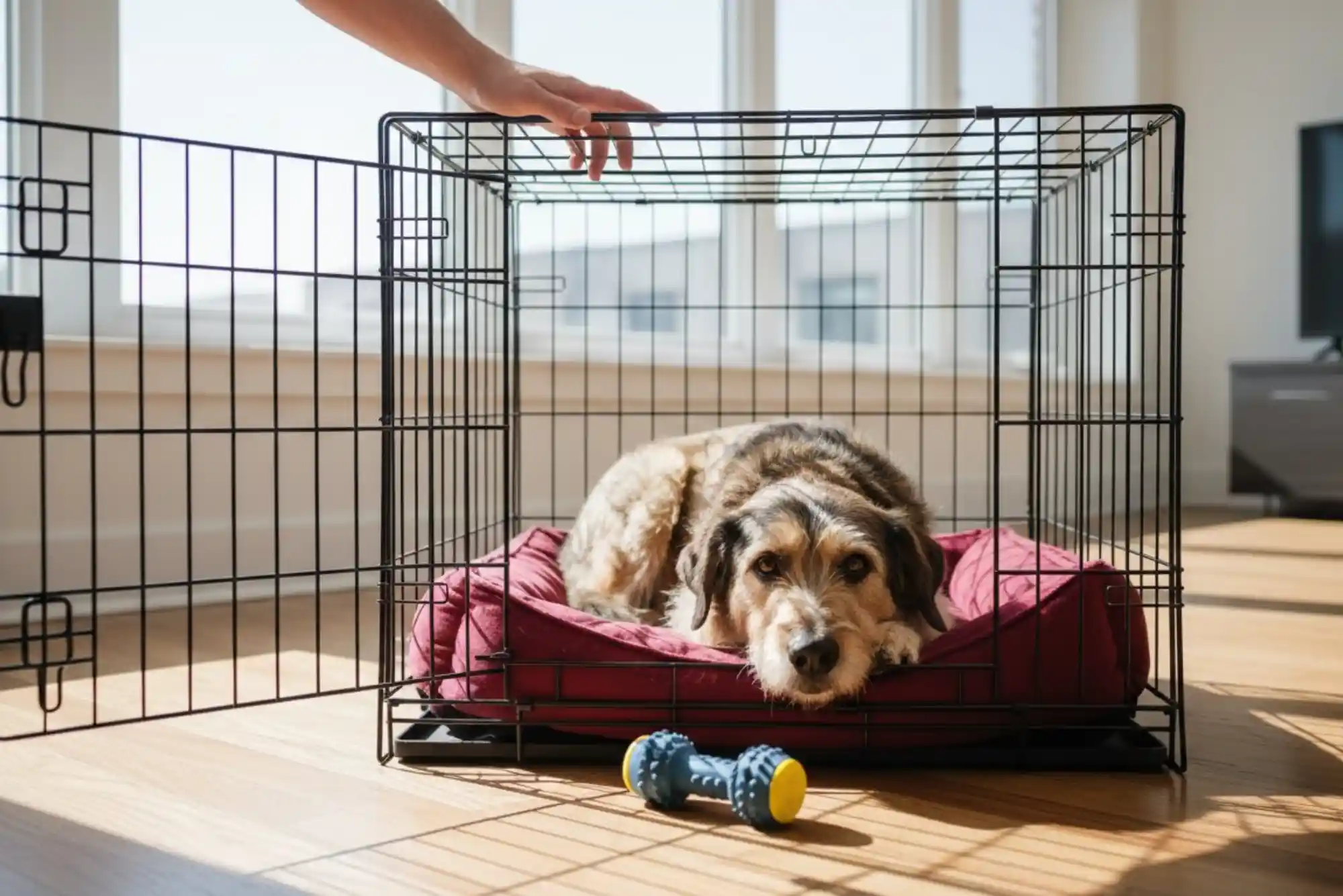
Puppy chewing can make those first few months challenging for any dog owner. One minute your puppy is playing happily, and the next, your furniture becomes a chew toy. Understanding the Puppy Teething Timeline: What Week Do Puppies Stop Biting and Chewing Furniture? can make this stage much easier to manage.
Most puppies begin losing their baby teeth around 12 to 16 weeks of age. Their adult teeth usually finish coming through by about six months. However, chewing does not automatically stop when teething ends. Puppies also chew because they are exploring, playing, seeking attention, or relieving boredom.
Therefore, knowing what happens during each stage is important. With appropriate toys, supervision, training, and routine, you can protect your furniture while teaching your puppy better habits.
When Does Puppy Teething Start?
Puppies are usually born without visible teeth. Their baby teeth begin appearing when they are approximately two to three weeks old. By around eight weeks, most puppies have a complete set of temporary teeth.
At this stage, puppies naturally use their mouths to investigate their surroundings. Biting littermates also teaches them important lessons about bite control.
Once puppies move into their new homes, their chewing can become more noticeable. They may bite hands, clothing, shoes, table legs, carpets, and furniture.

This behavior is normal. However, it should still be guided from the beginning.
Puppy Teething Timeline by Age
Understanding the Puppy Teething Timeline: What Week Do Puppies Stop Biting and Chewing Furniture? starts with knowing what happens to the teeth during each period.
Two to Eight Weeks
Baby teeth generally emerge during the first several weeks of life. Puppies develop sharp little teeth that help them transition toward solid food.
They also begin learning social boundaries through play with their mother and littermates. Gentle biting and chewing are natural parts of this development.
Eight to Twelve Weeks
After coming home, many puppies become enthusiastic chewers. Their baby teeth are already present, while their curiosity is increasing rapidly.
Your puppy may chew furniture because everything feels interesting. Wood, fabric, plastic, and even cardboard can provide different textures.
This is an excellent time to introduce appropriate chew toys. Puppies should learn that toys are acceptable chewing objects, while furniture is not.
Twelve to Sixteen Weeks
This period is often when teething becomes more noticeable. Baby teeth begin loosening as adult teeth develop underneath them.
Your puppy may drool more than usual. Their gums can also appear uncomfortable or sensitive.
Chewing may increase because pressure against the gums can provide temporary relief. Cold, puppy-safe chew toys can sometimes help soothe this discomfort.
Four to Six Months
Between approximately four and six months, puppies commonly lose many of their baby teeth. Adult teeth continue replacing them.
This can be the most intense chewing period for some puppies. Furniture may seem especially attractive during this stage.
However, the exact timeline differs between individual dogs. Breed, genetics, environment, training, and personality can all influence chewing behavior.
Around Six Months and Beyond
By approximately six months, most puppies have their adult teeth. This means the physical teething process is usually nearing completion.
So, what week do puppies stop biting and chewing furniture?
There is no single week when every puppy suddenly stops. Many puppies reduce teething-related chewing around six months. However, destructive chewing can continue beyond this age if the behavior has become a habit.
That distinction is important for owners.
Why Do Puppies Keep Chewing Furniture?
The Puppy Teething Timeline: What Week Do Puppies Stop Biting and Chewing Furniture? is not only about teeth. Chewing can continue for behavioral reasons.
Puppies naturally explore their environment through their mouths. Chewing also provides mental stimulation and can help relieve boredom.
Some puppies chew when they are overtired. Others chew when they have too much unused energy.
Separation can also contribute to destructive behavior. A puppy left alone for extended periods may chew furniture because of stress, frustration, or lack of stimulation.
Therefore, simply waiting for teething to finish may not solve the problem.
How Can You Stop a Puppy From Chewing Furniture?
The most effective approach combines prevention with consistent training. Your puppy needs to understand what is appropriate to chew.
Start by making furniture less accessible whenever possible. Use puppy gates or carefully arranged barriers to limit access to areas containing valuable furniture.
Then provide several safe alternatives. Different puppies prefer different textures, so offering suitable chew toys can help identify what your dog enjoys.
When your puppy chooses an appropriate toy, praise them calmly. Positive reinforcement helps establish the connection between good behavior and rewards.
If your puppy starts chewing furniture, redirect them toward an appropriate toy. Avoid turning the situation into an exciting game.
Consistency matters more than punishment. A puppy cannot understand why furniture is forbidden if the rule changes from one day to another.
Should You Stop a Puppy From Biting People?
Puppy biting is another normal part of development. However, puppies need to learn that human skin is not an appropriate chew target.
When a puppy bites during play, calmly stop the interaction. Give them a suitable toy instead.
Avoid encouraging rough hand games if your puppy becomes overly excited. Games involving toys can provide a safer outlet for natural biting behavior.
Puppies also benefit from learning bite inhibition. Early social experiences with appropriate dogs can help them understand how much pressure is acceptable during play.
What Helps During the Teething Stage?
Comfort can make the teething period easier. Puppy-safe chew toys are useful because they give your dog an appropriate outlet for chewing.
Some puppies enjoy chilled or refrigerated chew toys. However, owners should always follow the product’s safety instructions.
Avoid giving puppies extremely hard objects that could damage developing teeth. Bones, antlers, and other unsuitable objects can create dental risks.
Supervision is especially important when introducing a new chew item. If a toy becomes damaged or small enough to swallow, remove it promptly.
A predictable daily routine can also reduce unwanted chewing. Exercise, play, training, naps, and mental enrichment all contribute to a balanced puppy.
When Should You Contact a Veterinarian?
Teething usually causes temporary discomfort, but unusual symptoms deserve attention.
Contact your veterinarian if your puppy has significant swelling, persistent bleeding, severe pain, difficulty eating, or other concerning symptoms.
Retained baby teeth can also sometimes create dental problems. This occurs when a baby tooth remains while the corresponding adult tooth develops.
Regular veterinary examinations help monitor your puppy’s teeth as they mature. Your veterinarian can also recommend appropriate dental care for your dog’s age and breed.
Puppy Teething Timeline: What Week Do Puppies Stop Biting and Chewing Furniture?
The simple answer is that most puppies experience their most active teething period between approximately three and six months.
By around six months, most adult teeth have emerged. However, that does not guarantee an immediate end to furniture chewing.
If chewing continues, look beyond teething. Ask whether your puppy receives enough exercise, sleep, enrichment, attention, and appropriate chewing opportunities.
Training should continue even after the adult teeth arrive. Otherwise, a puppy may learn that furniture remains an enjoyable chewing option.
With consistent management, many dogs gradually become much more reliable as they mature.
Frequently Asked Questions
What week do puppies stop biting?
Many puppies begin reducing their biting as they mature, especially after their adult teeth have developed. However, there is no exact week when biting stops completely.
Training and socialization strongly influence how quickly a puppy learns appropriate play behavior.
At what age do puppies stop chewing everything?
Many puppies reduce excessive chewing after about six months. Some continue chewing well into adolescence.
Chewing can remain normal behavior even after teething ends. The goal is to teach your puppy which objects are appropriate.
Do puppies stop biting when they finish teething?
Teething can increase biting because puppies experience gum discomfort. However, biting can also be caused by play, excitement, exploration, or attention seeking.
Therefore, finishing teething does not automatically stop every type of biting.
Why is my six-month-old puppy still chewing furniture?
A six-month-old puppy may still chew furniture because chewing has become a habit. Boredom, excess energy, stress, or insufficient enrichment can also contribute.
Continue redirecting your puppy toward appropriate chew toys and limit unsupervised access to furniture.
How do I stop my puppy from chewing furniture?
Prevent access whenever possible and provide appropriate chew alternatives. When your puppy chooses a suitable toy, reward the behavior.
If they approach furniture, calmly redirect them. Consistency helps your puppy understand the difference between acceptable and unacceptable chewing.
Conclusion
Understanding the Puppy Teething Timeline: What Week Do Puppies Stop Biting and Chewing Furniture? can help you approach this challenging stage with realistic expectations.