Introduction
Rescue dogs often need time to feel safe after entering a new home. Changes in people, surroundings, routines, and expectations can create uncertainty. For some dogs, that uncertainty becomes intense distress whenever their person leaves.
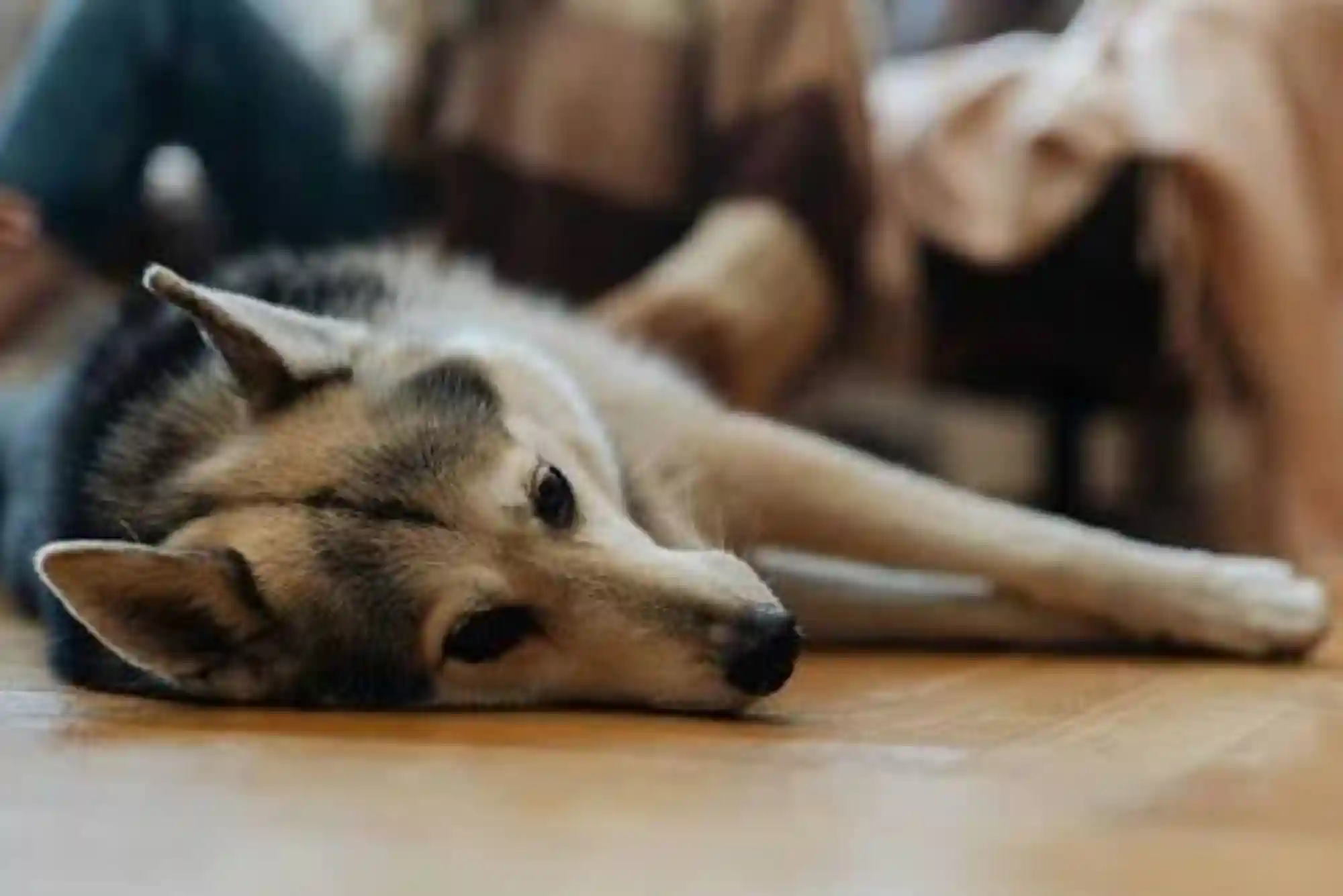
The signs of separation anxiety in rescue dogs can include barking, destructive behavior, pacing, drooling, escape attempts, accidents, and frantic greetings. However, these behaviors do not always mean separation anxiety. A careful approach helps identify the real cause.
Fortunately, many dogs can learn to remain calm when left alone. The process usually involves predictable routines, gradual absences, confidence-building activities, and careful desensitization. Patience matters because moving too quickly can increase fear.
This guide explains the signs of separation anxiety in rescue dogs and presents a practical calming routine. It also explains how to recognize triggers and support your dog without reinforcing panic.
Understanding Separation Anxiety in Rescue Dogs
Separation anxiety occurs when a dog experiences significant distress when separated from a particular person or left alone. Rescue dogs may be especially sensitive because their previous experiences are often unknown.
Some dogs have experienced abandonment, repeated home changes, inconsistent routines, or stressful environments. Others develop separation-related problems despite having no obvious traumatic history.

Therefore, it is important not to assume that every rescue dog has anxiety. A dog may bark because of outside noises, boredom, territorial behavior, or insufficient exercise.
The key is to look for a consistent pattern. If distress begins shortly before departure or soon after you leave, separation-related anxiety becomes more likely.
Common Signs of Separation Anxiety in Rescue Dogs
The signs of separation anxiety in rescue dogs can appear before you even leave the house. Some dogs become restless when they notice departure cues.
Your dog may follow you from room to room. It may become unusually clingy when you pick up your keys or put on shoes. Some dogs begin pacing or whining when they recognize the departure routine.
After you leave, the behavior can become more intense. Persistent barking, howling, scratching, chewing, and attempts to escape may occur.
Some dogs urinate or defecate indoors despite being reliably house-trained. Others drool heavily, pant excessively, shake, or pace continuously.
Another important sign is frantic behavior around doors and windows. A distressed dog may scratch doors, damage window frames, or attempt to escape through openings.
Video monitoring can provide useful information. A camera can show whether your dog settles after several minutes or remains distressed throughout your absence.
Why Rescue Dogs May Develop Separation Problems
A rescue dog enters your home with an unfamiliar history. The dog may have experienced sudden changes that affected its sense of security.
Moving from a shelter into a home can also create another major transition. Although the new environment may be positive, it introduces unfamiliar sounds, people, routines, and expectations.
Some dogs become strongly attached to their new caregiver. This attachment is understandable, but excessive dependence can make departures difficult.
A predictable routine can help reduce uncertainty. Regular feeding, walking, sleeping, training, and alone-time schedules give the dog clearer expectations.
However, routine alone rarely solves established separation anxiety. Dogs often need gradual behavioral training alongside environmental support.
Separation Anxiety Versus Normal Distress
Not every dog that dislikes being alone has separation anxiety. Many dogs naturally prefer company and may complain briefly when their owner leaves.
The difference is usually the intensity, duration, and consequences of the behavior.
A mildly concerned dog might whine briefly and then settle down. A severely distressed dog may bark continuously, pace, destroy objects, or repeatedly attempt escape.
The timing also matters. Separation anxiety usually appears specifically around separation or anticipated separation.
If destructive behavior happens only when you leave, investigate separation-related causes. If chewing happens throughout the day, boredom or normal exploratory behavior may be involved.
Medical problems should also be considered. Sudden house-soiling, excessive panting, or unusual behavior deserves veterinary attention, especially in older dogs.
Creating a Calming Routine
A consistent calming routine can help your dog understand that departures are ordinary events. Start by making the home environment predictable.
Give your dog a comfortable resting area away from constant household traffic. Provide safe enrichment and allow the dog to relax without demanding attention.
Exercise can also support emotional regulation. A suitable walk before training may help your dog settle, although intense exercise should not replace behavioral work.
After exercise, allow a quiet period. Avoid immediately creating excitement with food, games, or dramatic interaction.
Your departure routine should remain boring and predictable. Pick up your keys, put on your shoes, and move around normally without repeatedly reassuring your dog.
This reduces the emotional importance of departure signals.
Desensitization: The Foundation of Alone-Time Training
Desensitization means exposing your dog to a trigger at an intensity that does not produce significant fear.
For separation anxiety, the trigger may be your absence. Therefore, training begins with extremely short separations.
Start with an absence that your dog can tolerate calmly. For some dogs, this could be only a few seconds.
Leave briefly and return before anxiety begins. Repeat the exercise calmly rather than turning every return into a celebration.
Gradually increase the duration only when your dog remains relaxed. Progress might move from seconds to minutes over many training sessions.
There is no universal timetable. Some dogs progress quickly, while others require weeks or longer.
If your dog panics, the previous step was probably too difficult. Reduce the duration and rebuild success.
Building Independence Inside the Home
Independence training should not begin only when you walk out the front door. It can start while you are still inside.
Encourage your dog to rest on a bed while you move around the room. Reward calm behavior without constantly inviting the dog to follow you.
Next, briefly move into another room. Return while your dog remains calm.
Over time, increase the distance and duration gradually. The goal is to teach your dog that temporary separation is safe.
This approach can be particularly useful for dogs that constantly follow their owners.
However, avoid forcing isolation for long periods. Independence training should create confidence rather than overwhelm.
Making Departure Cues Less Meaningful
Dogs quickly learn that certain actions predict separation. Keys, shoes, bags, jackets, and opening the door can become anxiety triggers.
You can reduce their significance through repeated practice.
Pick up your keys and then sit down. Put on your shoes without leaving. Open the door and close it without departing.
Repeat these actions calmly at different times. Eventually, the cues become less reliable predictors of separation.
This technique works best when paired with gradual alone-time training.
Using Enrichment During Alone Time
Appropriate enrichment can give your dog something positive to focus on. Food puzzles, safe chew items, and long-lasting enrichment may help some dogs settle.
Introduce these items while you are home first. Your dog should understand how to use them before you rely on them during departures.
However, enrichment is not a cure for severe separation anxiety. A highly distressed dog may ignore food completely.
Therefore, enrichment should support the training plan rather than replace it.
Safety is also important. Only leave an item unattended if you already know it is appropriate for your dog.
What Not to Do
Punishment can make separation problems worse. Your dog does not destroy a door because it wants to punish you for leaving.
The behavior is usually connected to distress, fear, frustration, or another underlying motivation.
Scolding your dog after returning can therefore increase anxiety around future departures.
Avoid suddenly leaving a highly anxious dog alone for several hours whenever possible. Repeated panic can interfere with gradual progress.
It is also unhelpful to make every departure or return highly emotional. Calm, predictable interactions are generally easier for an anxious dog to process.
When Professional Help Is Needed
Severe separation anxiety may require professional support. Contact your veterinarian if your dog injures itself, repeatedly attempts escape, cannot settle, or shows severe distress.
A veterinarian can also help rule out medical conditions that may contribute to unusual behavior.
For significant cases, a qualified veterinary behavior professional or experienced reward-based trainer can develop an individualized plan.
Medication may sometimes be considered by a veterinarian alongside behavior modification. Medication decisions should always be based on the individual dog’s health and circumstances.
Professional guidance can be particularly valuable when progress repeatedly stalls.
Tracking Progress Over Time
Keep simple records during training. Note the length of each absence and how your dog responded.
Look for practical improvements rather than expecting perfection. Your dog might settle faster, bark less, or recover more quickly after a departure.
Progress is rarely completely linear. A dog may handle five minutes comfortably one day and struggle with two minutes another day.
Changes in weather, household activity, illness, schedule, or previous exercise can affect behavior.
Therefore, adjust the training difficulty according to your dog’s current response.
Frequently Asked Questions
How do I know if my rescue dog has separation anxiety?
Look for repeated distress specifically connected with separation. Barking, pacing, destruction, escape attempts, excessive drooling, and house-soiling can be warning signs.
A camera can help identify what happens after you leave. Veterinary advice is useful when symptoms are severe or unusual.
How long does it take to fix separation anxiety in a rescue dog?
There is no fixed timeline. Mild cases may improve relatively quickly, while severe cases can require months of structured training.
Progress depends on the dog’s history, anxiety level, environment, consistency, and response to training.
Should I ignore my dog when it cries after I leave?
The goal is not simply to ignore distress. Instead, design training sessions that remain below the dog’s panic threshold.
Very short absences can teach your dog that separation ends safely. Gradually increase the duration as confidence improves.
Should I crate a dog with separation anxiety?
A crate can be helpful for dogs that already find it comfortable. However, it should not automatically be used for an anxious dog.
Some dogs become more distressed when confined. Never use a crate as a punishment or suddenly introduce long periods of confinement.
Can separation anxiety in rescue dogs be cured?
Many dogs can improve substantially with appropriate behavior modification. Some require ongoing management rather than a complete elimination of symptoms.
The most important goal is helping the dog remain safe and emotionally comfortable during appropriate periods alone.
Conclusion
The signs of separation anxiety in rescue dogs can be upsetting, but they are not a reason to lose hope. With careful observation, predictable routines, gradual desensitization, and patience, many dogs can develop stronger independence.