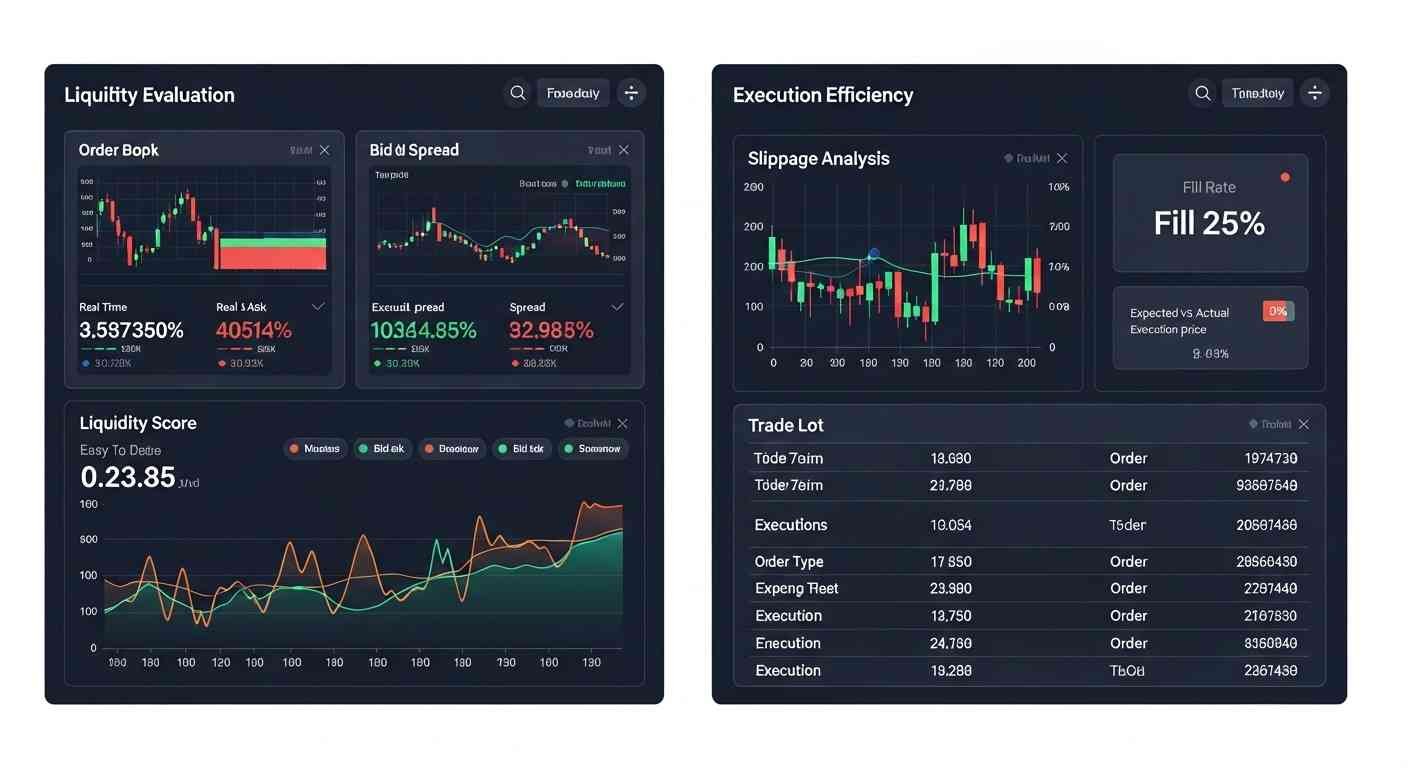
The retail trading landscape has evolved dramatically over the past decade, driven by technological innovation and increased market accessibility. Modern traders demand platforms that not only offer functionality but also deliver consistency in execution, transparency, and security. This shift has forced brokers to prioritize infrastructural robustness alongside traditional client acquisition strategies. Understanding these dynamics is essential for evaluating how trading platforms perform under real market conditions and why some solutions consistently outperform others in both speed and reliability.
Regulatory Infrastructure
Licensing and compliance are foundational to a platform’s credibility, yet many retail traders underestimate the depth of regulatory oversight required. Proper fund segregation and adherence to international standards, such as MiFID II in Europe or ASIC regulations in Australia, protect both clients and operational integrity. Moreover, brokers with multi-jurisdictional licenses can provide diversified liquidity access, reducing the risk of systemic failures during volatile periods. For traders, recognizing these regulatory nuances is critical in distinguishing a platform built for long-term sustainability from one optimized for short-term revenue extraction.
The Latency Equation
Execution speed has shifted from a competitive advantage to a baseline requirement in modern trading infrastructure. Latency, measured in milliseconds, directly impacts slippage, fill rates, and the efficacy of algorithmic strategies. Platforms that fail to aggregate liquidity efficiently or rely on subpar routing mechanisms expose traders to avoidable losses. A meticulous evaluation of latency across different asset classes and order types reveals the true operational competence of a brokerage beyond surface-level marketing claims.
“Institutional-grade execution is no longer exclusive to Wall Street; platforms like reliable trading platform are bridging the gap for retail traders through low-latency aggregation.”
User Experience (UX) Protocols
UX in trading platforms encompasses more than intuitive interfaces; it integrates charting precision, mobile responsiveness, and real-time data visualization. Traders demand platforms that minimize friction from onboarding to execution, including multi-device accessibility and customizable dashboards. Poor UX introduces hidden operational risks, such as delayed reactions to market events or mismanaged order placements, which can erode both confidence and capital. Assessing platform ergonomics alongside backend efficiency is therefore critical for meaningful evaluation.
Risk Management Features
Robust risk management protocols separate reliable platforms from those prone to client dissatisfaction. Features such as negative balance protection, guaranteed stop-loss mechanisms, and margin call alerts are not merely compliance checkboxes; they directly influence trader survivability in extreme market conditions. Platforms that transparently implement these tools, paired with real-time monitoring, create a systemic buffer against behavioral and liquidity-driven errors. Evaluating the depth and responsiveness of these features reveals how seriously a broker prioritizes client preservation over transactional volume.
Brokerage Selection Scorecard
Creating a weighted scorecard allows traders to objectively compare platforms across core operational metrics. Categories include regulatory compliance (25%), latency and execution (25%), UX and toolset quality (20%), risk management features (15%), and liquidity depth (15%). Each criterion is assigned a score based on data-driven assessment rather than marketing claims, producing a quantitative framework for platform selection. This approach mitigates cognitive bias and ensures decisions are rooted in verifiable performance indicators rather than anecdotal experience.
Future Outlook
Looking ahead, AI and automation will redefine user experience in trading platforms by 2026, enabling predictive analytics, personalized risk recommendations, and real-time strategy adjustments. While technology adoption will accelerate operational efficiency, platforms must balance automation with transparency to maintain trader trust. The integration of these tools will not replace human oversight but will augment decision-making, setting new standards for speed, reliability, and strategic insight within retail trading environments.